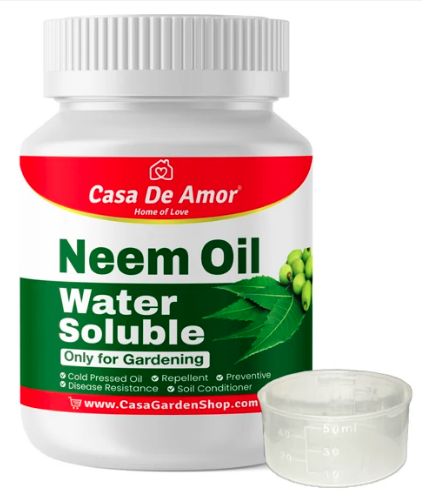
Gardeners often look for ways to protect plants from insects, fungal problems, and other common pests without unnecessarily stressing the garden ecosystem. This has increased interest in organic pesticides, especially among people growing vegetables, fruits, flowers, herbs, and ornamental plants at home.
But are organic pesticides really safer for plants and soil? The answer depends on the ingredients, concentration, application method, and frequency of use. The term "organic" does not automatically mean that a product is harmless. However, many properly formulated organic pest-control products can offer a useful alternative to certain conventional pesticides when they are used correctly.
What Are Organic Pesticides?
Organic pesticides are pest-control products made from naturally derived substances or ingredients permitted under applicable organic production standards. Depending on the formulation, they may contain plant-based extracts, oils, minerals, microorganisms, or other naturally occurring substances.
Their purpose is similar to conventional pesticides: controlling insects, mites, fungal diseases, or other organisms that can damage plants. However, different ingredients work in different ways. Some repel pests, some interfere with their feeding or development, and others directly affect particular pests or pathogens.
Because formulations vary, gardeners should always read the product label and follow the recommended dosage and application instructions.
Are Organic Pesticides Safer for Plants?
When used according to the label, many organic pest-control products can be gentle on plants. Gardeners often use them as part of integrated pest management, combining monitoring, prevention, physical controls, and targeted treatments instead of relying on frequent pesticide applications.
However, natural ingredients can still cause plant damage if they are applied at excessive concentrations. Spraying during very hot weather, applying products too frequently, or treating sensitive plants without checking compatibility can result in leaf burn or other problems.
Before treating an entire plant collection, it is sensible to test a product on a small area when the label permits this approach. Observe the plant for signs of stress before wider application.
How Can Organic Pesticides Affect Soil?
Soil is a living ecosystem containing microorganisms, fungi, earthworms, and other organisms that contribute to nutrient cycling and overall soil health. The effect of a pesticide on soil depends on its active ingredients, concentration, persistence, and application method.
Some organic pest-control products may break down relatively quickly under suitable environmental conditions, while others can remain active for longer. Therefore, it is incorrect to assume that every natural pesticide has no impact on soil organisms.
Using the right product for the identified pest and applying only the recommended amount can help reduce unnecessary exposure. Avoid routine spraying when there is no significant pest problem.
Do Organic Pesticides Harm Beneficial Insects?
Beneficial insects such as ladybirds, lacewings, bees, and some predatory insects play important roles in gardens. They can help with pollination or naturally control pest populations.
Some organic pesticides can affect beneficial insects if they come into direct contact with them. This means gardeners should not treat natural pest-control products as completely risk-free for non-target organisms.
Targeted application can help. Avoid spraying flowering plants when pollinators are actively visiting them, where the product label advises against it. Applying treatments only to affected areas can also reduce unnecessary exposure.
Are Organic Pesticides Better Than Chemical Pesticides?
It is not always accurate to say that one category is universally safer than another. Safety depends on the specific active ingredient, formulation, dosage, exposure, and application method.
The main advantage of organic pesticides is that many are based on naturally derived ingredients and can fit well into gardening practices that aim to reduce reliance on certain synthetic chemicals. However, they still require responsible handling.
Conventional pesticides can also be effective when used correctly and according to their labels. The better approach is to identify the pest first, select an appropriate treatment, and use the minimum effective application rather than choosing a product simply because it is labelled organic or natural.
When Should You Use Organic Pesticides?
Prevention should generally come before treatment. Regularly inspect leaves, stems, flowers, and the soil around plants for early signs of pest activity. Removing damaged leaves, improving airflow, maintaining appropriate watering, and keeping the growing area clean can help reduce pest pressure.
If a pest population begins affecting plant growth, a targeted treatment may be appropriate. Organic pesticides can be incorporated into this approach when the selected product is suitable for the pest and plant.
Avoid unnecessary repeated applications. More pesticide does not necessarily mean better pest control and may increase exposure to plants, soil organisms, and beneficial insects.
How Can You Use Organic Pesticides Responsibly?
Responsible application starts with identifying the problem correctly. A few insects on a healthy plant may not require treatment, while a rapidly increasing infestation may need intervention.
Always check the product label for dosage, dilution, suitable crops, application frequency, storage instructions, and safety precautions. Do not assume that increasing the concentration will make the product more effective.
It is also important to avoid mixing different pest-control products unless the manufacturer specifically recommends doing so. Keep treated plants under observation and repeat applications only when necessary and permitted by the product instructions.
Final Thoughts
So, are organic pesticides really safer for plants and soil? They can be a useful option when selected carefully and applied correctly, particularly as part of an integrated approach to garden pest management. However, natural does not automatically mean harmless.
The safest approach is to identify the pest, choose an appropriate product, follow the recommended dosage, protect beneficial organisms, and avoid unnecessary applications. When combined with healthy soil management, proper watering, good plant care, and regular monitoring, organic pest-control methods can support a more balanced home garden.
FAQs
1. Are organic pesticides safe for plants?
Many organic pesticides can be safe for plants when used according to the product label. Excessive concentration or frequent application can still cause plant damage, so proper dosage is important.
2. Do organic pesticides improve soil health?
Organic pesticides are primarily intended for pest control rather than improving soil health. Their effect on soil organisms depends on their ingredients, concentration, and frequency of application.
3. Can organic pesticides harm beneficial insects?
Yes. Some products can affect beneficial insects if they come into direct contact with them. Targeted application and following label instructions can help reduce unnecessary exposure.
4. Can organic pesticides be used on vegetable plants?
Some are specifically formulated for use on vegetables. Always check the product label to confirm that the pesticide is approved or intended for the particular crop and follow any pre-harvest instructions.
5. Are organic pesticides better than chemical pesticides?
Neither category is automatically safer in every situation. The safety and effectiveness of a pesticide depend on its ingredients, dosage, formulation, exposure, and correct use.
6. How often should organic pesticides be applied?
Application frequency depends on the specific product and pest problem. Follow the manufacturer's instructions and avoid repeated treatments when they are not necessary.