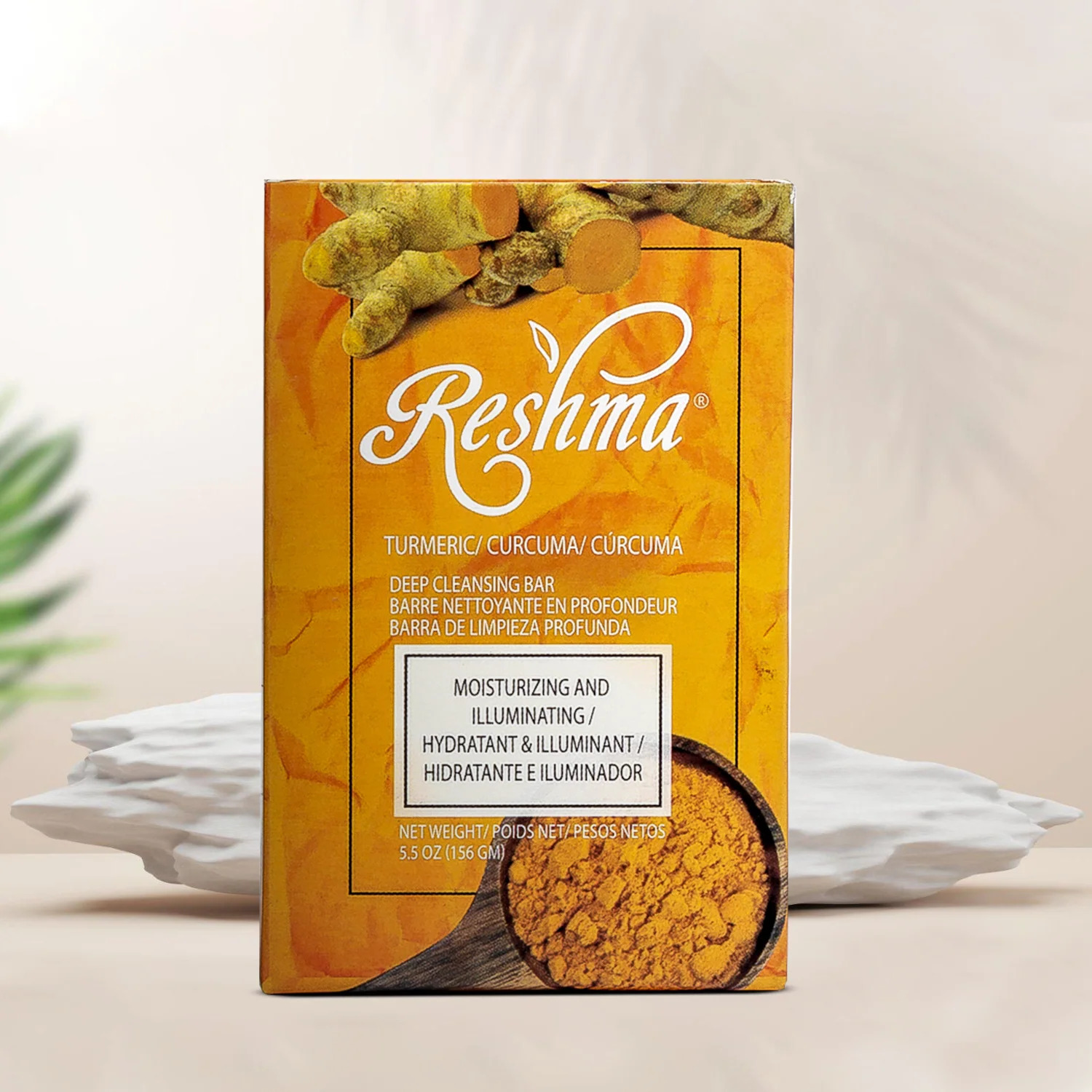
Turmeric soap has become a popular choice for people looking to add a simple, ingredient-focused product to their daily skincare routine. Known for its traditional use in skincare, turmeric is often associated with a brighter-looking complexion and healthier-looking skin. However, whether turmeric soap is suitable for everyday use depends on its formulation, your skin type, and how your skin responds to regular cleansing.
If you are considering switching from your regular soap to turmeric soap, it is important to understand its potential benefits, limitations, ingredients, and proper usage. Choosing the right product can help you maintain clean, comfortable skin without unnecessary dryness or irritation.
This guide explains whether turmeric soap is good for daily use, how to use it safely, what to look for when buying one, and how to choose a suitable option for your skincare needs.
Is Turmeric Soap Good for Daily Use?
Yes, turmeric soap can be suitable for daily use if it contains skin-friendly ingredients and does not cause dryness, redness, itching, or irritation. However, not every turmeric soap is formulated for everyday cleansing, particularly for people with sensitive or dry skin.
Turmeric is traditionally used in skincare because it contains curcumin and other compounds with antioxidant and anti-inflammatory properties. However, the benefits of turmeric applied to the skin depend on the formulation, concentration, and other ingredients in the product. The presence of turmeric alone does not guarantee a particular skincare result.
A well-formulated turmeric soap may help remove dirt, excess oil, sweat, and everyday impurities while supporting a clean, refreshed feeling.
Before making it part of your daily routine, consider the following factors:
- Your skin type: Oily skin may tolerate some cleansing formulas better than dry or sensitive skin.
- The soap's formulation: Fragrance, strong cleansing agents, and other ingredients can affect how your skin responds.
- Your usage frequency: Some people may tolerate daily use, while others may need to use it less frequently.
- Your skincare goals: Cleansing, maintaining comfortable skin, and addressing specific concerns require different approaches.
If your skin feels tight, flaky, or uncomfortable after washing, reduce the frequency of use or switch to a gentler cleanser.
Potential Benefits of Turmeric Soap for Everyday Skincare
Turmeric soap is often marketed for its skincare benefits, but it is important to separate realistic expectations from exaggerated product claims.
1. Helps Cleanse the Skin
The primary purpose of any soap is to cleanse. Turmeric soap can help remove sweat, dirt, excess oil, and surface impurities that accumulate throughout the day.
This can be useful after travelling, exercising, or spending time outdoors. A suitable formula can leave the skin feeling clean without an uncomfortable, stripped sensation.
For daily cleansing, choose a product that rinses easily and does not leave your skin feeling excessively dry.
2. Supports a Healthy-Looking Complexion
Turmeric contains curcumin, a compound studied for its antioxidant properties. Antioxidants are relevant to skincare because oxidative stress can contribute to changes in skin appearance.
However, a turmeric soap is a rinse-off product, meaning it remains on the skin for a relatively short time. Its effects may differ considerably from those of leave-on skincare products containing carefully formulated active ingredients.
Using turmeric soap may be part of a basic skincare routine, but it should not be expected to transform your complexion on its own.
3. May Help Remove Excess Oil
People with oily skin often look for a cleanser that removes excess sebum without leaving their face feeling greasy.
Depending on its cleansing ingredients, turmeric soap may help remove surface oil and leave the skin feeling fresher. The cleansing effect comes primarily from the soap or surfactant base rather than turmeric itself.
Avoid products that leave your skin feeling unusually tight. Excessively harsh cleansing can irritate the skin and make a routine harder to maintain.
4. Fits Into a Simple Skincare Routine
A complicated skincare routine is not necessary for everyone. If you prefer a straightforward approach, a suitable turmeric soap can be one part of your cleansing routine.
You do not need to combine it with multiple turmeric-based products to get the most from your skincare routine. Gentle cleansing, moisturising, and sun protection are often more useful foundations than layering numerous products.
5. Offers a Convenient Option for Face and Body Cleansing
Some turmeric soaps are marketed for both facial and body use, while others are intended primarily for the body.
A product suitable for the body is not automatically suitable for the face. Facial skin may be more sensitive to fragrance and harsh cleansing ingredients.
Always check the manufacturer's directions before using turmeric soap on your face. If the product is intended only for body use, choose a facial cleanser designed for your skin type instead.
Is Turmeric Soap Suitable for Different Skin Types?
Your skin type is one of the most important considerations when choosing turmeric soap. The same product may feel comfortable on one person's skin and irritating on another's.
Turmeric Soap for Oily Skin
If you have oily skin, you may prefer a cleanser that removes excess oil and leaves a fresh, comfortable finish.
When buying turmeric soap for oily skin, look for:
- A formula that rinses cleanly without leaving a heavy residue.
- Mild cleansing ingredients appropriate for regular use.
- Clear information about fragrance and other potential irritants.
- Directions that explain whether the product is suitable for facial use.
Avoid washing your face repeatedly throughout the day simply because it becomes oily. Overwashing can irritate your skin.
Turmeric Soap for Dry Skin
Dry skin generally benefits from gentle cleansing and regular moisturising. Some traditional soap bars have an alkaline pH and can disrupt the skin barrier, potentially increasing dryness.
If your skin is dry, choose a mild cleansing bar or syndet bar designed to minimise moisture loss. Look for moisturising ingredients such as glycerin, while remembering that the overall formulation matters more than one ingredient.
After cleansing, apply a moisturiser while your skin is still slightly damp.
If a turmeric soap consistently causes tightness or flaking, it may not be the right choice for your daily routine.
Turmeric Soap for Sensitive Skin
Sensitive skin requires extra care because fragrance, essential oils, and certain cleansing agents may cause irritation.
If you have sensitive skin, look for fragrance-free products with clearly listed ingredients. Test the product on a small area first and monitor your skin's response.
Stop using it if you experience persistent burning, redness, itching, or swelling. A turmeric-based product is not automatically gentle simply because it contains a plant-derived ingredient.
Turmeric Soap for Combination Skin
Combination skin may be oily around the forehead, nose, and chin while remaining normal or dry elsewhere.
Choose a balanced cleanser rather than a strongly degreasing formula. If a turmeric soap makes your cheeks feel dry while leaving your T-zone comfortable, consider using a gentler facial cleanser instead.
Your skincare routine should respond to the needs of your skin, not just the ingredients highlighted on the packaging.
How to Use Turmeric Soap Every Day
Using a product correctly can make a difference to your overall cleansing experience. Follow these steps if the product is suitable for your skin and intended for your chosen area.
Step 1: Check the Product Instructions
Read the label before using turmeric soap. Confirm whether it is intended for the face, body, or both.
Check the ingredient list, directions, warnings, and recommended usage frequency. If the manufacturer advises against facial use, do not use it as a facial cleanser.
Step 2: Wet Your Skin With Lukewarm Water
Use lukewarm water rather than very hot water. Hot water can contribute to dryness and discomfort, particularly for people with sensitive skin.
Wet your face or body before applying the product.
Step 3: Apply Gently
Work the soap into a light lather between your hands or according to the product directions. Gently spread it over the skin without scrubbing aggressively.
For facial cleansing, avoid the delicate eye area unless the product is specifically designed for it.
Step 4: Rinse Thoroughly
Rinse away all product residue. Leaving cleanser on the skin for longer than recommended does not necessarily improve its benefits and may increase the risk of irritation.
Step 5: Apply Moisturiser
Use a moisturiser appropriate for your skin type after cleansing. This is particularly important if your skin is dry, sensitive, or prone to tightness.
In the morning, finish your routine with broad-spectrum sunscreen with SPF 30 or higher on exposed skin.
Step 6: Monitor Your Skin's Response
If you are introducing turmeric soap for the first time, start cautiously rather than immediately increasing your cleansing frequency.
Pay attention to dryness, redness, itching, and discomfort. If these symptoms develop, reduce use or discontinue the product.
Can Turmeric Soap Help With Dark Spots and Uneven Skin Tone?
Many shoppers search for turmeric soap because they want to improve the appearance of dark spots, dullness, or uneven skin tone.
Turmeric has been studied for various biological properties, but evidence supporting turmeric soap as a reliable treatment for pigmentation is limited. A rinse-off soap should not be treated as a proven solution for melasma, post-acne marks, or other persistent pigmentation concerns.
If your main goal is to address dark spots, consider a skincare routine that includes:
- A gentle cleanser that does not irritate your skin.
- Daily broad-spectrum sunscreen to help prevent existing pigmentation from becoming more noticeable.
- Evidence-based skincare ingredients selected for your specific concern and skin tolerance.
- Advice from a dermatologist if pigmentation persists, spreads, or changes unexpectedly.
Avoid products that promise guaranteed fairness, permanent whitening, or dramatic results within a few days.
A good skincare product should support your skin's health without relying on unrealistic promises.
What to Look for When Buying Turmeric Soap
The colour, fragrance, packaging, and price of a soap can influence your buying decision, but they do not tell you everything about its quality.
Before choosing a turmeric soap, review the following factors.
1. Check the Complete Ingredient List
Look beyond the word "turmeric" on the front of the package. Check the full ingredient list to understand what else the product contains.
Depending on the formula, useful considerations may include:
- Turmeric extract or powder: Check how the ingredient is identified and where it appears in the ingredient list.
- Glycerin: A humectant that helps attract and retain moisture.
- Cleansing ingredients: These determine much of the product's cleansing strength and skin feel.
- Fragrance and essential oils: These may be unsuitable for people who react to scented products.
- Added colourants: These can affect the product's appearance but do not establish its skincare effectiveness.
A product's ingredient list should be clear and easy to find. Do not assume that a darker yellow colour means a higher turmeric concentration or better results.
2. Choose a Formula That Matches Your Needs
A body soap designed for everyday bathing may not be ideal for facial cleansing. Similarly, a strongly fragranced product may not be suitable for sensitive skin.
Think about where you plan to use the product, how frequently you intend to use it, and whether your skin tends to become dry after cleansing.
If you have eczema, rosacea, or another condition that makes your skin reactive, ask a healthcare professional before introducing a new fragranced or potentially irritating product.
3. Consider the Price Per Bar
A low-priced turmeric soap may appear economical, but the better value depends on its size, how long it lasts, and whether it suits your skin.
Compare the weight of each bar, ingredient transparency, intended use, and packaging quality. Avoid paying a premium solely because a product uses terms such as "natural," "herbal," or "premium."
A reasonably priced cleanser that suits your skin is often a better purchase than an expensive product that causes irritation.
4. Review the Brand's Product Information
Before purchasing, check whether the brand provides clear product directions, ingredient details, storage instructions, and customer support information.
If buying online, review the product description carefully and check the seller's return or replacement policy.
For example, when considering a turmeric soap from Reshma Beauty, read the available product information and confirm that the formula suits your intended use. Do not rely on the brand name or marketing claims alone when making a skincare decision.
5. Be Cautious About Strong Claims
Be careful with products advertised as permanent skin-whitening solutions or guaranteed treatments for acne, dark spots, and other skin conditions.
A cleansing product may help maintain clean skin, but it should not be assumed to treat a medical condition without suitable evidence.
Choose products based on their formulation, suitability, and realistic benefits rather than dramatic before-and-after promises.
Common Mistakes to Avoid When Using Turmeric Soap
Even a suitable product can become problematic when used incorrectly.
- Using it too frequently: Washing your face several times a day can cause dryness and irritation. Cleanse according to your skin's needs.
- Assuming all turmeric soaps are the same: Ingredients, pH, cleansing strength, and intended use vary between products.
- Skipping moisturiser: Cleansing without replenishing moisture can leave dry or sensitive skin feeling uncomfortable.
- Expecting instant results: A cleanser is not a quick fix for pigmentation, acne, or uneven skin tone.
- Using body soap on the face without checking: Facial skin may respond differently to a body-focused formulation.
- Ignoring irritation: Persistent redness, itching, burning, or flaking is a reason to stop using the product.
- Skipping sunscreen: If you are concerned about dark spots or uneven skin tone, sun protection is an important part of your daily routine.
Frequently Asked Questions About Turmeric Soap
1. Can I use turmeric soap every day?
Yes, if the product is formulated for your intended use and your skin tolerates it. People with dry or sensitive skin may need a gentler cleanser or less frequent use. Follow the product instructions and stop if irritation develops.
2. Is turmeric soap good for the face?
It depends on the formulation. Use turmeric soap on your face only if the manufacturer indicates that it is suitable for facial cleansing. A gentle facial cleanser may be a better choice for sensitive or dry skin.
3. How long does turmeric soap take to show results?
There is no reliable timeline for visible results from turmeric soap. It can cleanse the skin immediately, but improvements in concerns such as uneven skin tone depend on their underlying cause and the products used. Turmeric soap should not be expected to remove dark spots within a specific number of days.
4. Can turmeric soap help with pimples?
Turmeric soap may help remove surface oil and dirt, but it is not a proven standalone treatment for acne. If you experience persistent pimples, painful breakouts, or scarring, consult a dermatologist about suitable acne treatments.
5. Is turmeric soap suitable for dry skin?
Some formulations may be suitable, but traditional soap can worsen dryness. Look for a gentle cleansing bar, consider moisturising ingredients such as glycerin, and apply moisturiser after washing. Discontinue use if your skin becomes tight or flaky.
6. Can turmeric soap remove dark spots?
Turmeric soap is not a proven treatment for removing dark spots. Daily sunscreen and appropriate skincare ingredients may help manage certain forms of pigmentation. Consult a dermatologist for persistent or unexplained spots.
7. Should I leave turmeric soap on my skin for several minutes?
No, unless the product's instructions specifically recommend it. Turmeric soap is generally a rinse-off cleanser. Leaving it on longer does not guarantee better results and may increase irritation.
8. How do I choose the best turmeric soap?
Choose a product with a clearly listed ingredient profile, appropriate cleansing strength, and directions that match your intended use. Consider your skin type, fragrance sensitivity, price per bar, and the brand's product information before buying.
Conclusion: Is Turmeric Soap Worth Adding to Your Routine?
Turmeric soap can be a practical option for everyday cleansing when its formulation suits your skin and it is used correctly. It may help remove everyday impurities and fit into a simple skincare routine, but its benefits should not be confused with proven treatments for acne, pigmentation, or other skin concerns.
The best choice is not necessarily the soap with the most attractive packaging or the strongest marketing claims. It is the product that cleanses effectively without leaving your skin dry, irritated, or uncomfortable.
Before purchasing, review the ingredients, confirm whether the soap is intended for facial or body use, and consider your skin's individual needs. If you are exploring turmeric-based skincare, take a look at the available options from Reshma Beauty and read the product details carefully before choosing a formula for your routine.
A consistent approach to gentle cleansing, moisturising, and sun protection will generally serve your skin better than relying on any single product for every skincare concern.